The Dangers of Chemical Abortions
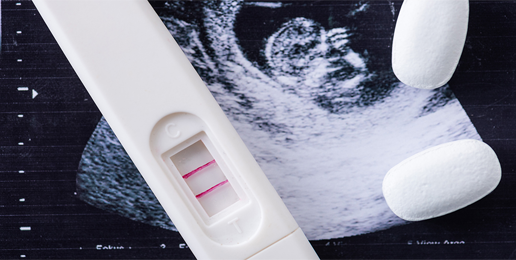
Alarm bells are ringing on the plans pro-abortion advocates are creating for the country if Roe v Wade is overturned. Fearing that medical abortions will be restricted or even eliminated in some states, Planned Parenthood and other abortion advocates have changed gears to push for more chemical abortions – what supporters call “self-managed abortions.” Planned Parenthood has even advocated mailing the necessary drugs to women without a medical professional ever seeing the patient in person. The dangers of these drugs and this plan are staggering.
Commonly referred to as either the abortion pill or RU-486, the chemical abortion consists of two drugs, mifepristone, and misoprostol. The first medication, mifepristone, disrupts production of progesterone, a hormone necessary for pregnancy. A few days later, the woman takes the second drug, misoprostol, causing contractions which expel the baby. Medical professionals, including the American College of Obstetricians and Gynecologists, agree that using a chemical abortion past ten weeks of pregnancy is potentially dangerous to the mother and can cause significant side effects.
Obviously, the impact on the baby is designed to be devastating, but many women are unaware that they are also risking their own lives as well. The typical symptoms a woman might experience when terminating a pregnancy through a chemical abortion are heavy bleeding (similar to that of a natural miscarriage), severe pain lasting a few hours, cramping, nausea, weakness, fever, chills, vomiting, headache, diarrhea, and dizziness. These symptoms may last anywhere from two days to a few weeks and are not considered unusual following a “normal” chemical abortion. However, symptoms can become significantly worse when women unexpectedly suffer severe side effects from one or both of the drugs in the abortion pill.
Severe side effects can include prolonged heavy bleeding lasting weeks, incomplete abortions that require surgical intervention, infections, sepsis, and death. To say that these outcomes are serious is an understatement. According to the FDA, in 2018 there were 24 deaths of women who had taken mifepristone and misoprostol. Additionally, there were 274 hospitalizations and 100 reported infections. These are only the reported problems; how many other women faced severe issues, but their doctors or clinics did not report the problem? Now, Planned Parenthood wants to blindly distribute this poison to women without clearly determining how far along they are in their pregnancy or what underlying health conditions may exist. This plan is not healthcare; it is genocide.
There is, however, some good news. First, for women who have taken mifepristone to start a chemical abortion, a process called abortion pill reversal is successful in some cases. Some doctors will prescribe high doses of progesterone to stop the chemical abortion process. Abortion Pill Rescue Network, in affiliation with Heartbeat International, is a group that connects women to doctors who will prescribe lifesaving medication. The group claims that they have saved over 2,500 babies from chemical abortion.
Second, more life-affirming crisis pregnancy centers are being opened every day across the country. The largest groups operating life-affirming centers are Birthright International, Care Net, and Heartbeat International. Additionally, there are numerous smaller and independent groups operating lifesaving clinics. Not only do these clinics assist expectant mothers, but they also provide STD testing and post-abortive counseling.
Finally, we have hope in the Dodds v Jackson case which is being heard by the U.S. Supreme Court. If the Court reverses Roe v Wade, it will not end abortion, but instead will send the discussion back to the individual states. At that point, each state will have to create laws to regulate abortion, and we can ask our representatives to consider banning, or at least limiting access to, chemical abortions. States are divided, but it is likely that several states will significantly limit abortion.
Take ACTION: Regardless of the outcome, we must continue to fight to prevent abortion and help women and families facing a crisis pregnancy. If you are facing a crisis pregnancy and need help, please get in touch with one of the following hotlines:
Birthright International: 1-800-550-4900
Care Net: 1-877-791-5475 or click HERE.
Heartbeat International: 1-800-712-HELP or click HERE.
You can also search “abortion alternatives and clinics near me” to find a clinic within your region. Please note that many search engines will list abortion clinics first. Please ensure that the clinic you choose will support abortion alternatives.
If you have started the chemical abortion process and have changed your mind and want help to possibly reverse the effects, contact the following:
Abortion Pill Rescue Network/Heartbeat International: 877.558.0333 or click HERE.
If you have experienced the pain of abortion and need counseling, regardless of how long ago the abortion occurred, please call one of the hotlines or go to your nearest life-affirming crisis pregnancy center.
Pregnancy care comes at a cost and these lifesaving centers need our help and our financial support! As we begin a new year, please consider making a donation. Also, contact your representatives and ask them to restrict chemical abortions in the state and prevent abortion drugs from being distributed without a physical exam. Lastly, let us all pray that the Supreme Court makes a wise decision in the Dodds v Jackson case and that we can overturn Roe.
All life is precious to the LORD! He declares in His Word:
“Before I formed you in the womb I knew you;
Before you were born I sanctified you.”
~Jeremiah 1:5a